Agaton

Agaton
Agaton began as Astrid, a voice-based EdTech product with strong traction in classrooms.
As Design Lead, I led the transition from consumer education to enterprise AI — reframing the product, defining the strategy and shaping how proprietary speech technology could be applied in a commercial B2B context.
Role
Design Lead
Partners
Founders · Product Director · CTO
Focus
Zero-to-one product strategy · AI interaction models · Product reframing
Timeframe
2022 - 2023

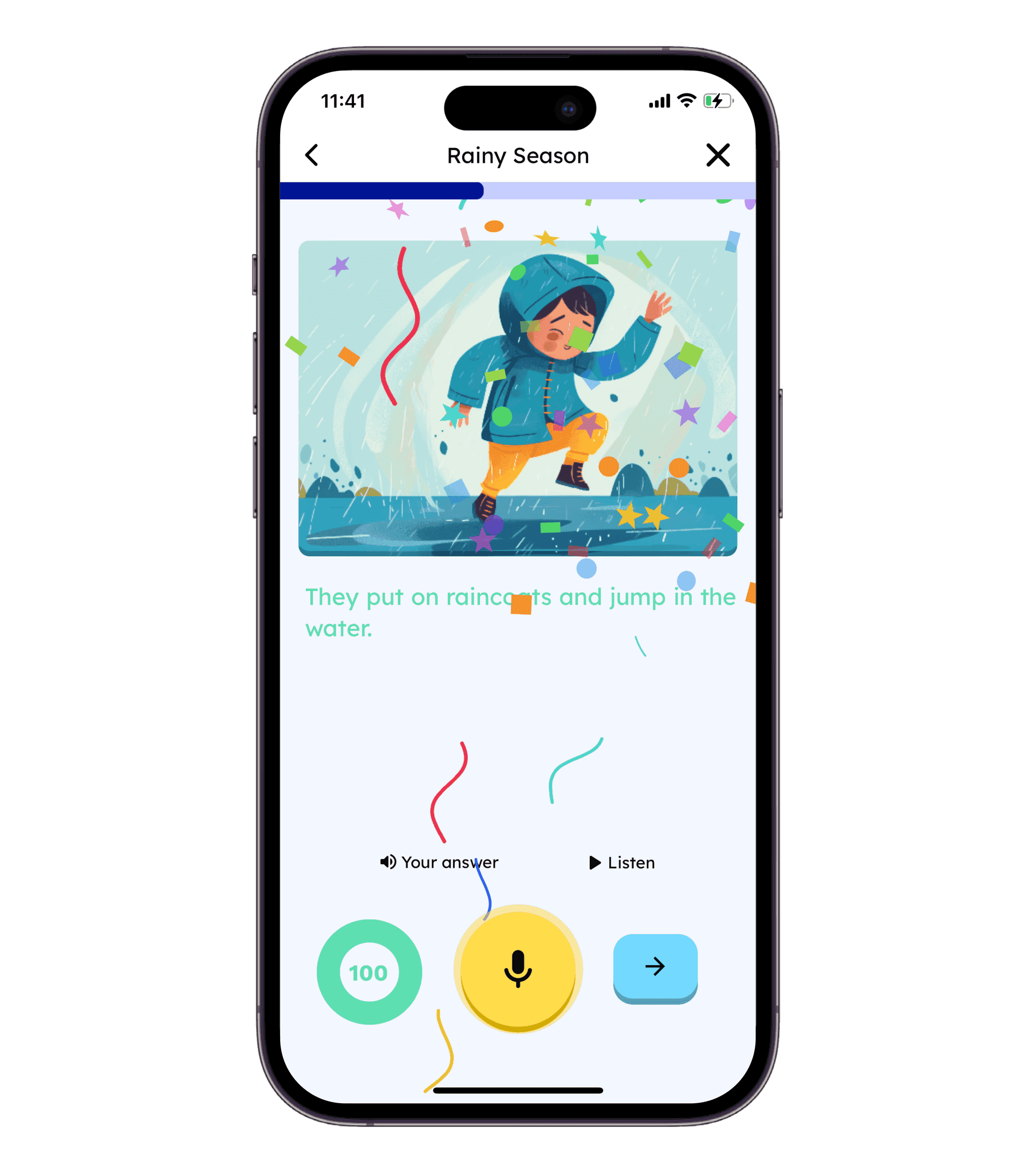
The core challenge wasn’t technical capability. Agaton’s speech recognition technology was already proven in the classroom, with strong engagement and reliability.
The challenge was product-market fit. The existing interaction model, tone, and value proposition didn’t translate to enterprise use. For sales teams operating in high-stakes conversations, the product needed to feel predictable, trustworthy and clearly supportive — not playful or exploratory.
Working closely with the founders, I helped reframe the company’s direction from consumer education to enterprise AI. This meant redefining the audience, clarifying the commercial use cases and deciding how the technology should show up in a professional sales environment.
The focus shifted from demonstrating technical possibility to enabling real adoption — aligning product decisions with how sales teams actually work, communicate and assess risk.

A central part of the work was defining new interaction models for AI in a professional context. We deliberately reduced cognitive load, keeping attention on the conversation rather than the system.
Transparency and restraint became core principles. The AI was positioned as assistive rather than authoritative — augmenting human judgment instead of replacing it.
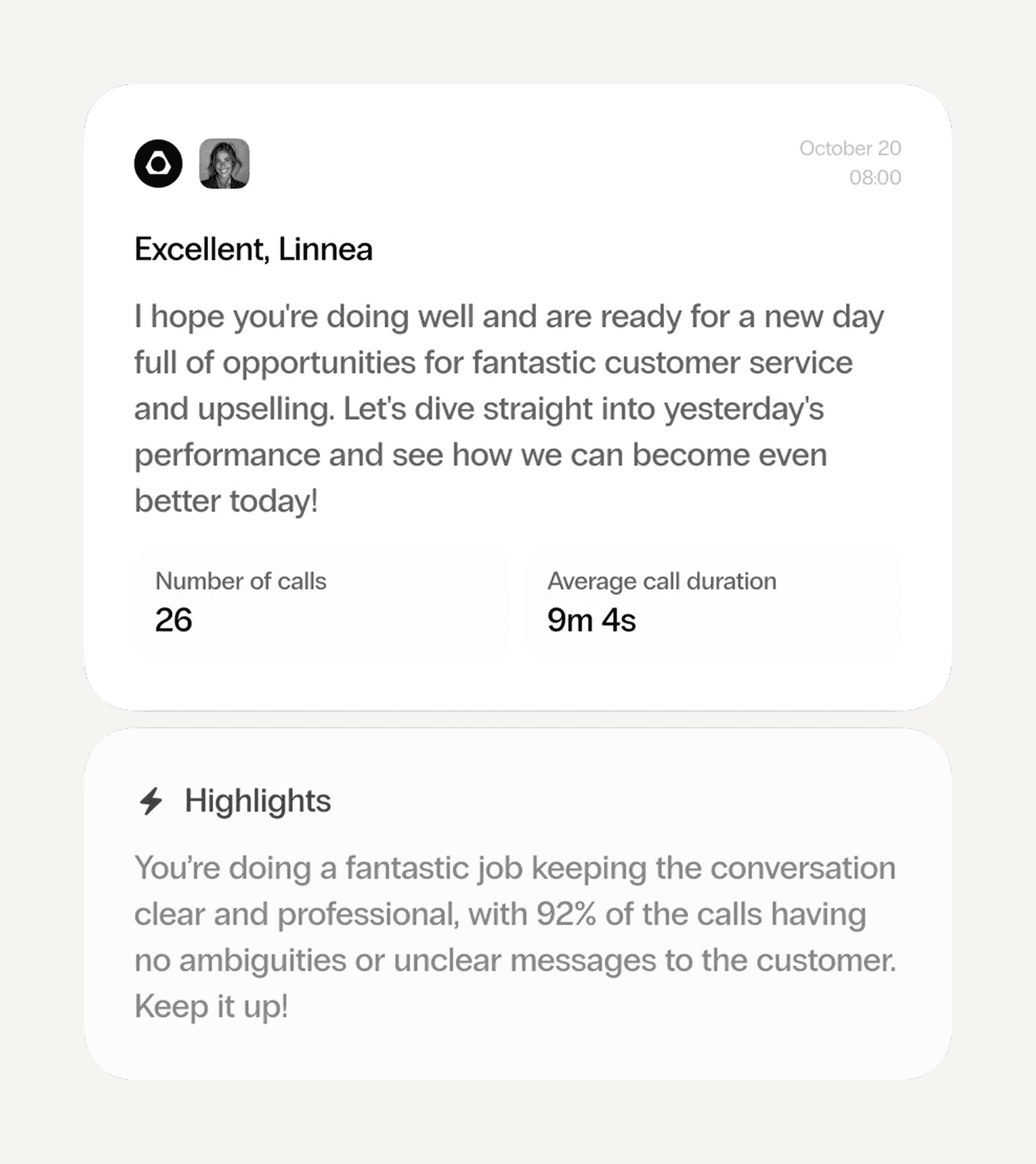
Throughout the process, I acted as a bridge between technical complexity and human understanding. Close collaboration with engineering was essential to translate probabilistic AI behaviour into interactions users could understand, trust, and rely on.
Decisions were made under high uncertainty, with limited precedent. Progress depended less on process and more on judgment — knowing when to prototype, when to commit and when to simplify.